IP in the Generative Era
A practical guide for creators using AI tools. Understand what you own when you create with generative technology.
If you’re creating with AI — Sora video, Suno beats, custom images, hybrid workflows — this matters more than ever.
Your ideas, edits, taste, and human choices now sit right next to powerful generative tools. This isn’t about fear. It’s about ownership.
Protects original creative expression — music, video, writing, images, code.
Protect brand identity — names, logos, slogans, sounds that signal source.
Protect inventions and ornamental designs — functional processes or looks.
Protect valuable confidential information kept secret — formulas, techniques, processes.
Copyright protects the specific expression of an idea — not the idea itself. It exists automatically the moment you fix something in tangible form.
The AI Shift
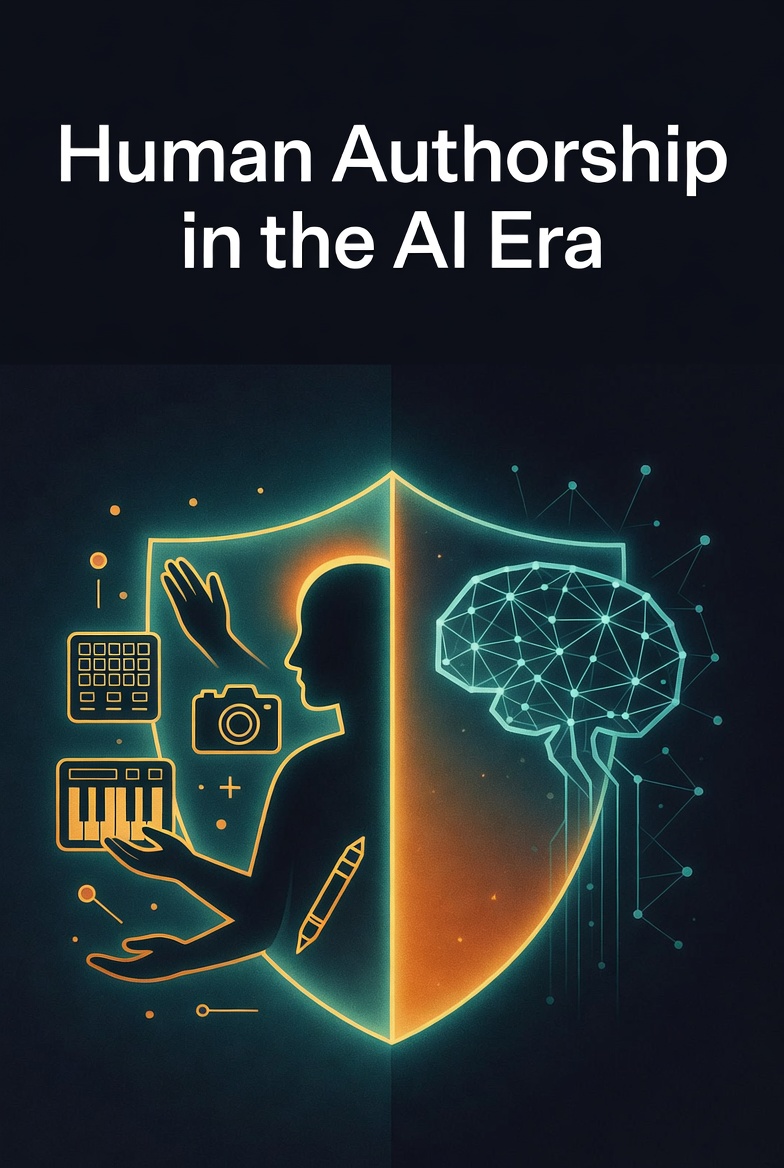
Purely AI-generated work with no meaningful human creative input is generally not copyrightable. Prompts alone are usually not enough.
What is protectable is the human authorship layered on top — your detailed prompting, selection and arrangement, heavy editing, creative decisions, and the final curated work.
How the principles apply to the tools you're already using.
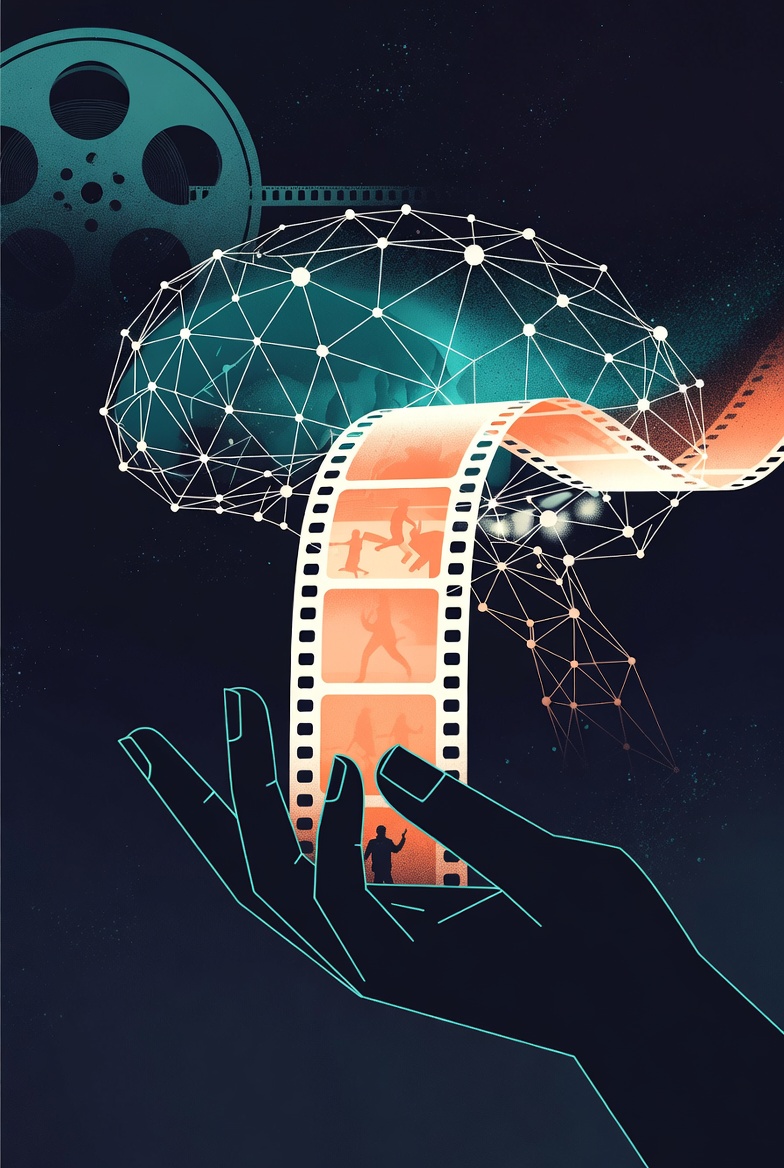
Multiple generations + selection of best takes + heavy editing in CapCut/Runway + your sound design and narrative structure = Strong human authorship claim.
Document your prompt iterations, chosen clips, and final assembly. This is the new creative process.
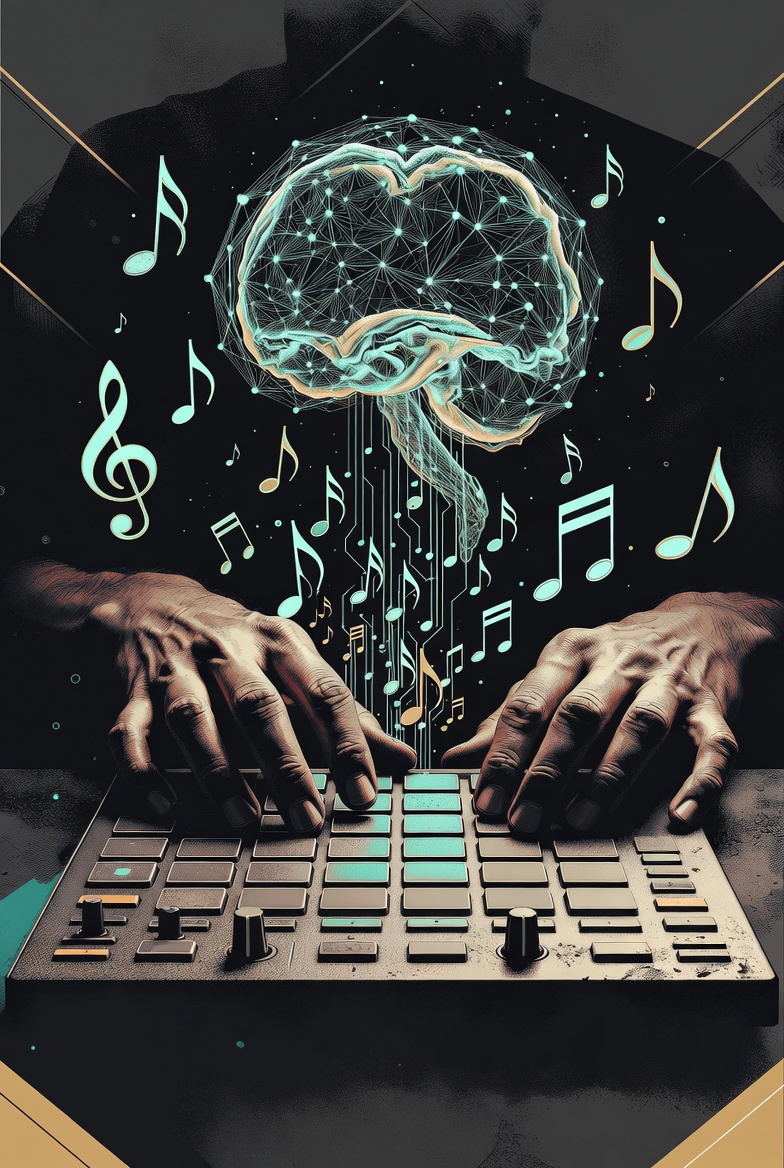
Custom prompts + generation of multiple variations + selection of strongest elements + MPC-style arrangement, chopping, and layering = Protectable hybrid work.
Your groove, swing, and final arrangement are the human contribution that matters most.
Ask yourself these questions when evaluating AI-assisted work.
You’re creating in one of the most powerful eras we’ve ever seen. AI tools are extraordinary. But they don’t own the spark — you do.